Health & Fitness
environmental education and waste management for Kids -students-youth
Environmental education is the process of teaching individuals and communities about the natural environment, human impacts on it, and how to adopt sustainable practices. Its goal is to create awareness, knowledge, skills, and values that promote environm
- 7 Enrolled
- German,English
1. Environmental Education (EE)
Definition:
Environmental education is the process of teaching individuals and communities about the natural environment, human impacts on it, and how to adopt sustainable practices. Its goal is to create awareness, knowledge, skills, and values that promote environmental stewardship.
Key Objectives:
- Raise awareness about environmental issues (pollution, climate change, biodiversity loss).
- Encourage sustainable behaviors and lifestyles.
- Promote critical thinking and problem-solving related to environmental challenges.
- Foster active participation in conservation and policy initiatives.
Strategies for Effective EE:
- Curriculum Integration: Include environmental topics in schools and universities.
- Experiential Learning: Field trips, nature walks, and hands-on projects.
- Community Engagement: Local workshops, campaigns, and volunteer programs.
- Use of Technology: Educational apps, virtual simulations, and online resources.
- Behavioral Change Programs: Encourage recycling, energy-saving, and water conservation.
Examples:
- Teaching students to monitor local water quality.
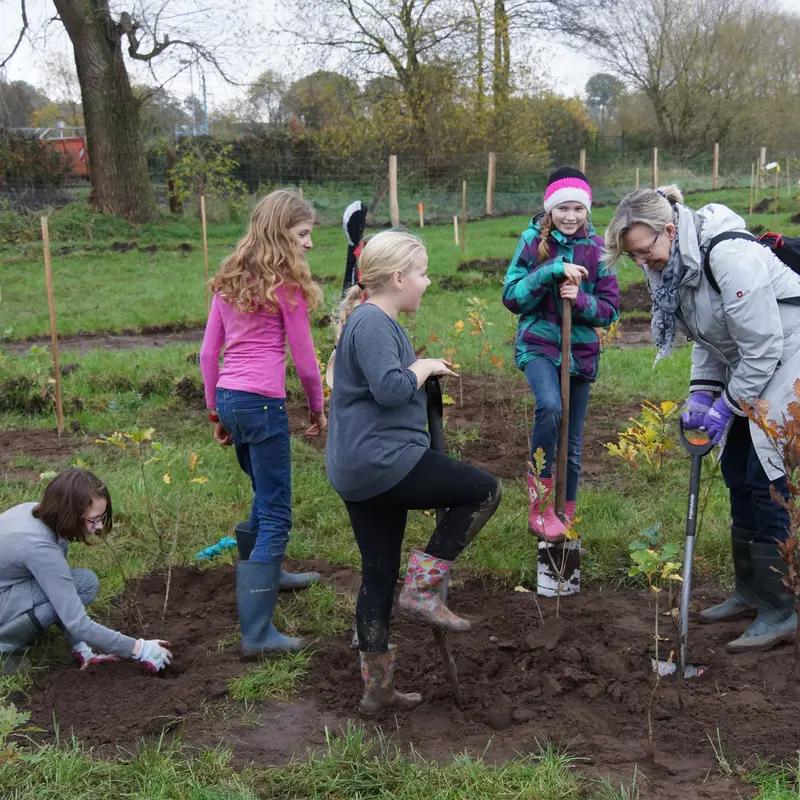
- Organizing community tree-planting events.
- Workshops on sustainable agriculture practices.
2. Waste Management
Definition:
Waste management involves the collection, transport, processing, recycling, or disposal of waste materials in a way that reduces environmental impact.
Types of Waste:
- Municipal Solid Waste (MSW): Household garbage.
- Industrial Waste: Waste from manufacturing or industries.
- Hazardous Waste: Chemicals, batteries, medical waste.
- E-Waste: Discarded electronics.
- Organic Waste: Food scraps, garden waste.
Hierarchy of Waste Management (“3Rs”):
- Reduce: Minimize waste generation at the source.
- Reuse: Extend the life of materials and products.
- Recycle: Convert waste into new products.
- (Some frameworks add a 4th and 5th R: Recover for energy and Dispose safely.)
Best Practices:
- Segregation of waste at source (organic, recyclable, hazardous).
- Composting organic waste for soil improvement.
- Recycling plastics, metals, and paper.
- Safe disposal of hazardous and electronic waste.
- Awareness campaigns to encourage community participation.
Integration with Environmental Education:
Environmental education plays a critical role in waste management by teaching:
- How improper waste disposal affects ecosystems and health.
- The importance of reducing single-use plastics and conserving resources.
- Community-led solutions like clean-up drives and recycling initiatives.
Example Initiatives:
- School programs where students manage a compost pit.
- Community workshops on upcycling and recycling household items.
- Digital platforms that track waste segregation and recycling rates.

Free
This course includes
- Lectures 25
- Duration 25h
- Language German,English
- Certificate Yes